

Test Owner

Tech firms could soon be legally required to remove intimate images shared without permission within 48 hours, under new proposals announced by the government. Ministers say intimate image abuse should be treated with the same seriousness as child sexual abuse material and terrorist content, with tough penalties for companies that fail to act.
The measures, being introduced through an amendment to the Crime and Policing Bill currently in the House of Lords, would allow regulators to fine platforms up to 10% of global turnover. In the most severe cases, services could also be blocked in the UK. Prime Minister Sir Keir Starmer said victims should not be forced into a “whack-a-mole” battle, reporting the same image repeatedly as it spreads across different sites.
Under the plans, someone affected would only need to report the content once, rather than contacting multiple platforms separately. Companies would also have a duty to prevent removed images from being uploaded again. Guidance is expected for internet service providers on blocking access to sites hosting illegal content, aimed at tackling rogue websites beyond the current reach of the Online Safety Act.
Campaigners welcomed the shift in responsibility. The End Violence Against Women Coalition said it correctly places the burden on technology companies to protect victims. Government and parliamentary reports have shown intimate image abuse disproportionately affects women, girls and LGBT people, while young men and boys are often targeted through financial “sextortion”. The announcement follows recent action over AI-generated sexualised images and a new UK law banning non-consensual deepfake pornography.
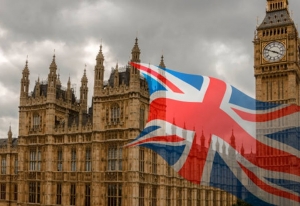
Government accounts showed an unprecedented monthly surplus in January after tax revenues comfortably outstripped spending. The Office for National Statistics (ONS) reported a surplus of £30.4bn, the largest for any single month since comparable records began in 1993. The figure, published ahead of the 3 March Spring Statement, was well above economists’ forecasts of £23.8bn and significantly higher than the £15.4bn recorded a year earlier.
January is typically a strong month for the public finances because self-assessment income tax payments fall due. This year’s total was further boosted by a sharp rise in capital gains tax receipts. Over the financial year to date, borrowing reached £112.1bn, around 11.5% lower than the same period last year, though still among the highest totals on record for the first ten months of a financial year.
Retail sales also surprised on the upside. The volume of goods purchased increased by 1.8% in January, compared with expectations of a modest 0.2% rise. Demand for sports nutrition products, jewellery, artwork and antiques contributed to the stronger-than-anticipated performance.
Ministers said borrowing is projected to fall to its lowest level since before the pandemic, with plans to cut it further by the end of the decade. However, critics argued that high taxes and rising national debt remain concerns. The UK’s debt-to-GDP ratio stood at 92.9% at the end of January, levels not seen since the early 1960s.